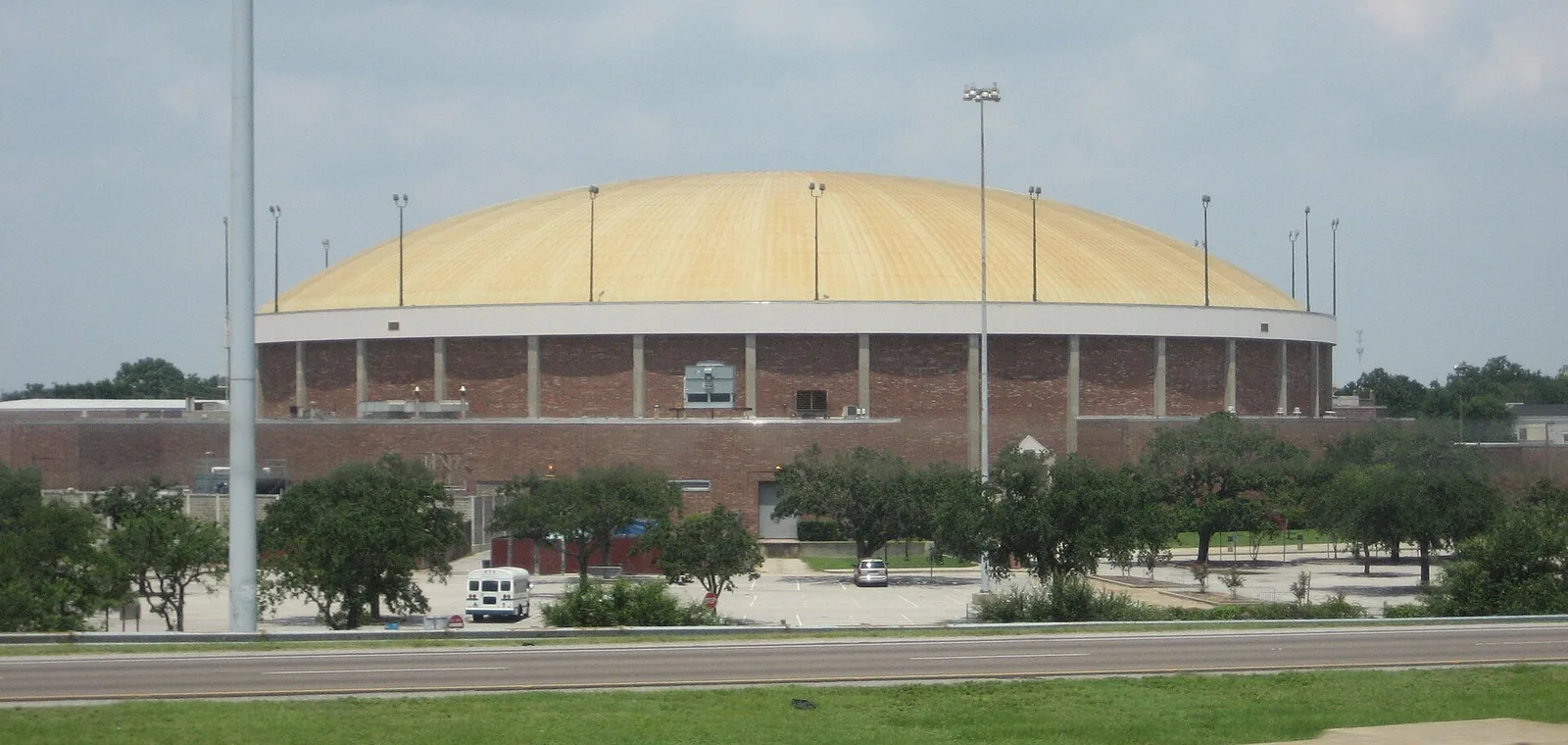
An impersonator first contacted Mobile's Finance Department May 22, the city said. The $14.7 million arena payment went to a fake account Oct. 5.
Overview
The person who stole $14.7 million from the city of Mobile posed as the Regions Arena contractor for more than four months before the money went missing. The impersonator first contacted the city’s Finance Department May 22. The payment went to a fraudulent account Oct. 5, and the fraud was confirmed Oct. 16.
The city set out the sequence Wednesday in a detailed timeline of the fraud. It said its review found “multiple mistakes and failures by employees.” The criminal investigation is still going on, the city said.
The money was meant for BL Harbert International, the general contractor building Regions Arena. The invoice and the contractor were both legitimate, the city said. Only the bank account was not.
How it happened, step by step
The city’s timeline lists these stages:
| Dates | What the city said happened |
|---|---|
| May 22 | Someone posing as a BL Harbert representative contacted the Finance Department, asking for a routine vendor-record update after a “staffing change.” |
| May 26-27 | Completed forms came back with fraudulent banking details. The city updated its vendor record May 27 without confirming the requester through an established contact at the company. |
| June 12-22 | The impersonator said the banking details had to change again because of an internal audit. The record was updated a second time June 22. |
| July 9-24 | A third update followed July 13. On July 23, staff sent the impersonator records of real past payments to BL Harbert. |
| Late July to Sept. 24 | Senior Finance staff sent new payment details to the city’s bank several times. The bank confirmed Sept. 24 that it had changed the arena payment instructions. |
| Oct. 2-5 | The city sent a real arena invoice payment of about $14.7 million. It went to the fraudulent account. |
| Oct. 7-16 | BL Harbert said Oct. 7 it had not been paid. The fraud was confirmed Oct. 16, and recovery efforts and contact with federal law enforcement began that day. |
The real payment records sent in July mattered, the city said. The impersonator later used those genuine details to gain the trust of other employees.
Arena payments ran through a separate banking process from ordinary vendor payments, the city said. So the vendor-record changes alone did not move the money. The request had to reach senior Finance staff, who then dealt with the bank.
The bank did not change the arena instructions straight away. At least one later arena payment still reached the contractor’s real account, the city said.
The warning signs the city says were missed
The city said employees:
- accepted banking changes without independently confirming who was asking
- missed warning signs as the banking instructions kept changing
- shared genuine city payment records with the impersonator
- did not escalate the missing payment after the bank said Oct. 8 that the contractor should have been paid Oct. 5
- missed “small mistakes and social cues” from the impersonator over four months
The Oct. 8 trace number was not raised for further review, the city said. The project manager followed up Oct. 13, and the tracking details went to BL Harbert. The matter still did not go to city leadership. On Oct. 16, BL Harbert said it had no account at the receiving bank, which confirmed the fraud.
What has changed
The city said it has reorganized and tightened the checks and approvals needed to change a vendor’s banking details. It has also changed how large payments are handled. It is working with federal authorities and outside specialists to recover the money and review its controls.
The timeline does not name any employee or the bank, and it does not say how much, if any, of the $14.7 million has been recovered.
The city fired one employee and put two others on paid leave in October, as we reported Oct. 31. A City Council resolution to hire a special counsel for its own inquiry was laid over to Tuesday, Nov. 17. Our story on that resolution has the details.
What it means for you
The money is city money. Regions Arena is a public building, and the city pays its contractor from public funds. The council’s decision Tuesday on a special counsel will set whether elected officials run their own review alongside the criminal case.
The fraud the city describes, a fake request to change a supplier’s bank details, is a common one. The FBI’s Internet Crime Complaint Center takes reports of it at ic3.gov.
The council posts its agendas and minutes online.
Have your say